
Upgrade Barcode to RFID: Step‑by‑Step Guide
In industries such as logistics, retail, and healthcare, RFID (Radio Frequency Identification) technology has become essential for efficient inventory management, heightened security, and streamlined processes. When it comes to Barcode or RFID labels, two predominant printing methods are commonly employed: direct thermal and thermal transfer. Although both methods fulfill analogous functions, they exhibit notable disparities in construction, functionality, and optimal applications.
Direct Thermal RFID Labels:
Direct thermal printing is a method where heat is applied directly to the label paper, which contains a special coating that darkens when exposed to heat. This process eliminates the need for ink, toner, or ribbons, making it a cost-effective and straightforward printing solution.
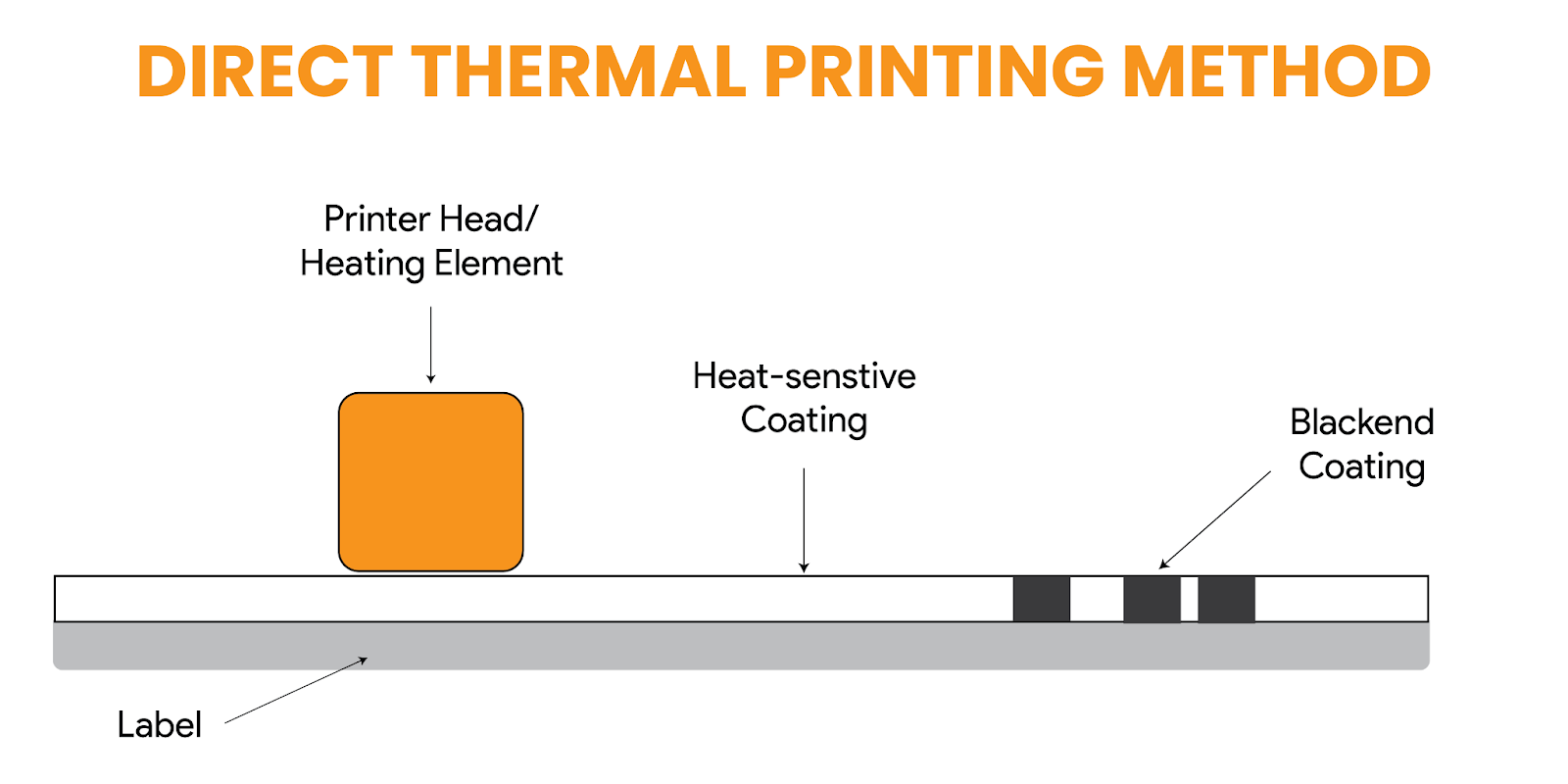
Features of Direct Thermal RFID Labels:
Simplicity: Direct thermal printing is a simpler process as it requires fewer components. This simplicity translates to lower maintenance and operational costs.
Short-term Durability: Direct thermal labels are suitable for short-term use as they are susceptible to fading over time when exposed to heat, light, or friction.
Speed: Direct thermal printers typically operate at high speeds, making them ideal for applications requiring quick label printing.
Best Use Cases for Direct Thermal RFID Labels:
- Shipping labels
- Warehouse inventory management
- Retail shelf labeling
- Ticketing and receipts
Thermal Transfer RFID Labels:
Thermal transfer printing involves the use of a heated print head to transfer ink from a ribbon onto the label material. This method results in durable and long-lasting labels, making it ideal for applications requiring enhanced durability and longevity.
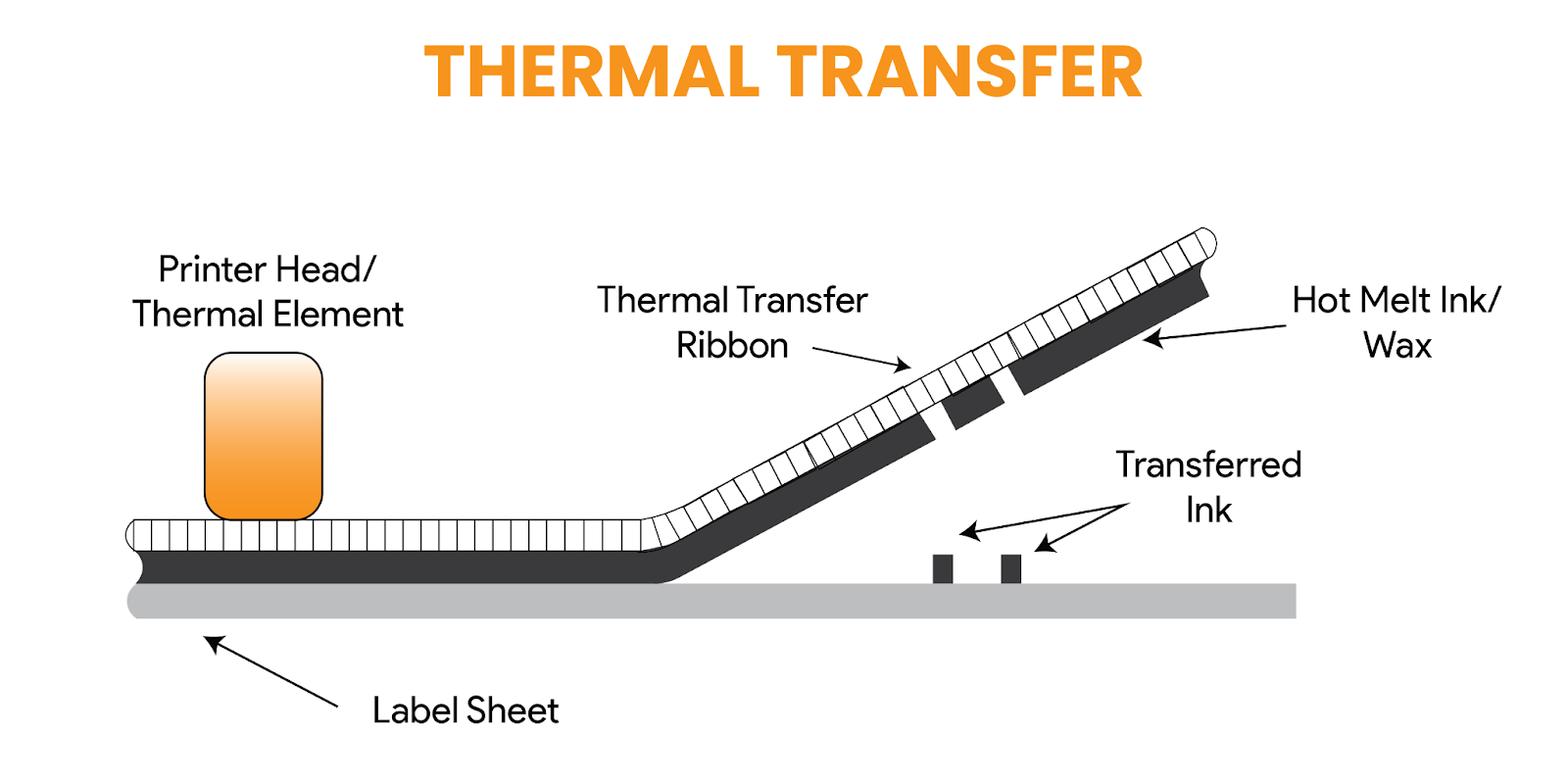
Features of Thermal Transfer RFID Labels:
Durability: Thermal transfer labels are highly durable and resistant to fading, moisture, and abrasion, making them suitable for long-term use in various environments.
Versatility: Thermal transfer printing supports a wide range of label materials, including paper, polyester, and polypropylene, providing versatility in labeling applications.
High-Quality Printing: Thermal transfer printing offers superior print quality with sharp and precise images, text, and barcode printing.
Best Use Cases for Thermal Transfer RFID Labels:
- Asset tracking
- Product labeling for outdoor or harsh environments
- Compliance labeling
- Laboratory specimen tracking
Choosing the Right Option:
When selecting between direct thermal and thermal transfer RFID labels, consider factors such as durability requirements, environmental conditions, budget constraints, and printing volume. Direct thermal labels offer a cost-effective solution for short-term applications with moderate durability needs, while thermal transfer labels are better suited for long-term and durable labeling requirements.
In conclusion, understanding the differences between direct thermal and thermal transfer RFID labels empowers businesses to make informed decisions based on their specific needs. Whether prioritizing cost-effectiveness, durability, or print quality, choosing the right printing method ensures optimal performance and efficiency in labeling and tracking operations.
Recent Posts
-

Comprehensive Comparison of RFID Metal Mount Tags
RFID Metal Mount Tags are engineered to function reliably on metallic surfaces, where standard RFID …Sep 14th 2026 -

RFID Read Range Dropping? 5 Factors & Settings to Fix It
Introduction RFID technology is the backbone of modern retail and business operations. From tracking …Sep 7th 2026 -
Comprehensive Guide to Troubleshooting RFID Handheld Readers
RFID handheld readers are critical tools for inventory management, asset tracking, and logistics. Wh …Aug 19th 2026